
Alabama and Mississippi Boards Warned on Peptides Before HHS's Interim Policy. How They Fit Is Unclear
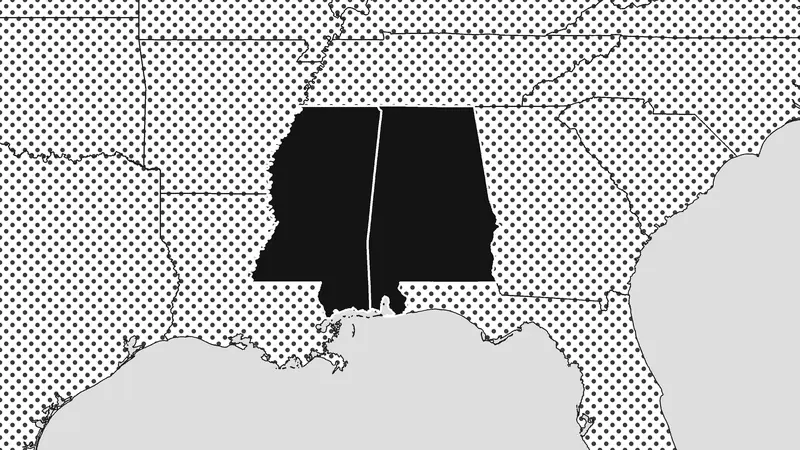
Alabama and Mississippi boards told licensees not to compound non-FDA-approved or research-grade peptides. Both predate HHS's policy; the fit is unclear.
News, not medical advice. Full disclaimer.
What happened / Why it matters
What happened. On Oct. 30, HHS published an interim policy, open for public comment, saying it does not intend to take federal enforcement action against some compounding of six peptides (BPC-157, TB-500, epitalon, semax, KPV and MOTS-c), under conditions. That is not FDA approval. Earlier in 2026, licensing boards in two states told their licensees they may not prescribe, compound, administer or dispense non-FDA-approved or “research-grade” peptides. Those notices predate the HHS policy, and as far as we found, none of the boards has said how its notice applies to it.
Why it matters. Federal enforcement discretion is not the only layer of rules. State boards license the pharmacists, physicians and nurses involved, and the HHS policy speaks to what HHS does not intend to enforce. This article reports what the two notices say and what remains unclear. It is not legal advice.
What did Mississippi’s boards say?
On Aug. 19, 2026, Mississippi’s Board of Nursing, Board of Pharmacy and State Board of Medical Licensure jointly issued a statement. It says that “under no circumstances is it permissible for a healthcare provider to compound, administer, or dispense a non-FDA approved or research-grade peptide to a patient,” and that the prohibition “includes advising, recommending, supplying, prescribing, and administering.”
According to the statement:
- Providers must buy prescription products, drugs and ingredients from an entity permitted by the Mississippi Board of Pharmacy.
- A patient consent form that identifies a product as “research-grade” does not reduce a provider’s professional or legal liability.
- If a patient acquires and uses such a substance independently, “the associated risk rests solely with the patient,” but any involvement by a medical professional in recommending, supplying, prescribing or administering it is prohibited.
What did Alabama’s board say?
Alabama’s Board of Medical Examiners issued an official notice addressed to physicians. WSFA and the Alabama Reporter reported it on May 26 and 27, 2026; the board page we read does not show a date.
The notice says that “under no circumstances is it permissible for a physician to compound, administer, or dispense a non-FDA approved or research grade peptide to a patient,” including advising, recommending, supplying or prescribing. It adds that certified nurse midwives, certified registered nurse practitioners and physician assistants may only prescribe, administer and dispense drugs on a formulary approved by the board and the Alabama Board of Nursing, and that, according to the notice, no research-grade or non-FDA-approved peptide is on an approved formulary. Like Mississippi’s statement, it says consent forms do not remove a provider’s liability.
The Alabama notice is directed at physicians, certified nurse midwives, certified registered nurse practitioners and physician assistants. It gives no instructions to pharmacies.
What do the notices not say?
- They are board notices. Both are statements by licensing boards to the professionals they license. We are not describing them as statutes or regulations, and we have not reviewed what laws they rest on.
- They do not name any peptide. Neither notice lists specific substances. The wording is “non-FDA approved” or “research-grade,” and the title of each puts “Research-Grade” in parentheses.
- They predate HHS’s policy. Mississippi’s statement is dated Aug. 19, and Alabama’s notice was reported in late May, both before Oct. 30. Neither can be read as a response to it. We found no update from those boards since the HHS policy was published.
- They do not mention the HHS conditions. Neither addresses compounded products made under the conditions HHS set.
How do they fit with the HHS policy?
That is not clear, and we are not resolving it. The HHS policy says a compounded drug is not FDA-approved and describes only what HHS does not intend to enforce at the federal level, for state-licensed pharmacies, federal facilities and licensed physicians. A law-firm analysis (secondary source) says the policy does not replace state law.
The state notices say providers may not compound, administer or dispense “non-FDA approved” peptides. The HHS policy covers peptide substances that are not components of FDA-approved drugs, and it says compounded drugs are not FDA-approved. Whether the boards read their wording to include peptides compounded under the HHS conditions is something the notices do not answer, and we found no clarification from the boards.
What about other states?
We reviewed the Alabama and Mississippi notices only. We have not checked other states’ boards, and we are not reporting on any other state’s notice here.
What does this mean for a reader?
- Federal enforcement discretion is not a statement that a product is permitted in a given state. A reader should ask their licensed health professional, or check with their state’s board of pharmacy, board of medicine or board of nursing, what applies to them.
- Nothing here is legal advice, and it does not say that any particular product is allowed or not allowed in any state.
- We do not link to or recommend sellers, and we do not provide dosing or preparation guidance.
U.S. regulatory status checked Oct. 31, 2026. The state notices and the HHS policy may change; we will update this article with a visible note if any of the boards comments on the HHS policy.
The email isn’t open yet
There’s no email sign-up yet, and we don’t collect email addresses. Every edition is published here for free.
Read the latest edition →Sources
- Mississippi Board of Nursing, Board of Pharmacy and State Board of Medical Licensure: Joint Statement Concerning the Prescribing of Non-FDA Approved (Research-Grade) Peptides (Aug. 19, 2026)
- Alabama Board of Medical Examiners: Official Notice Concerning the Prescribing of Non-FDA Approved (Research-Grade) Peptides
- Alabama Reporter: Alabama Board of Medical Examiners issues warning against use of research-grade peptides (May 27, 2026; secondary)
- WSFA: Warnings issued to Alabama doctors against non-FDA-approved peptides (May 26, 2026; secondary)
- Federal Register: HHS Enforcement Discretion Policy Regarding 503A Compounding Using Certain Peptide Bulk Drug Substances (Oct. 30, 2026)
- HHS policy with Appendices A and B
- Frier Levitt: HHS peptide compounding enforcement discretion policy (secondary analysis)
Written and edited by the Best Peptides Today Editorial Team. How we work.